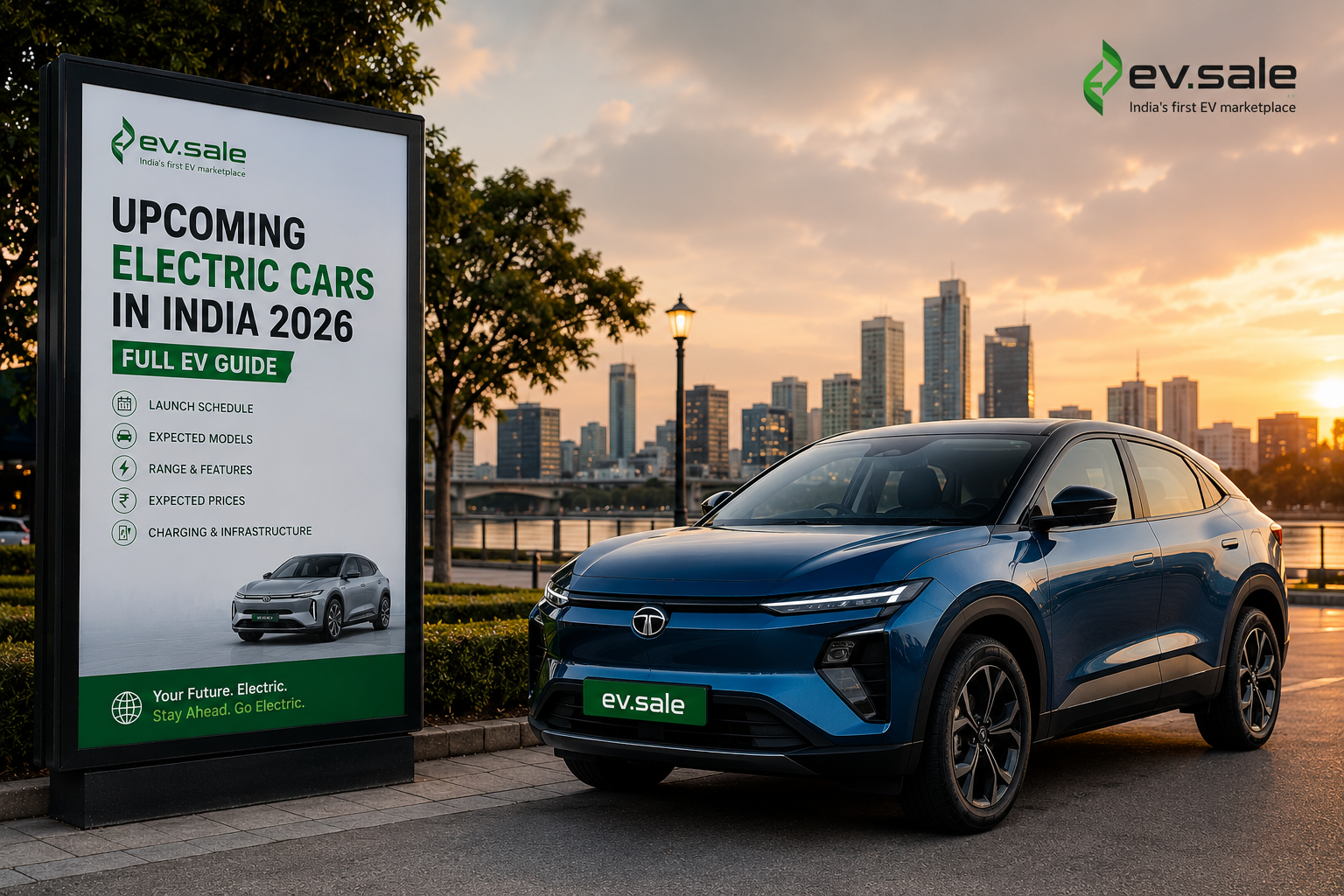
India’s automobile industry is moving through a historic transformation as electric vehicles become a major part of the country’s mobility future. What started as a small shift towards cleaner transportation has now grown into one of the fastest-developing sectors in the automotive world. With advanced battery technology, expanding charging networks, and increasing consumer interest, 2026 is expected to become a milestone year for electric cars in India.
A few years ago, electric vehicles were considered a new concept with limited choices. In 2019, India recorded nearly 1.3 lakh EV sales annually. Today, the market has grown rapidly, with annual EV registrations crossing more than 15 lakh units. This growth clearly reflects the rising confidence among Indian consumers towards electric mobility.
With EV penetration reaching approximately 7% and the industry preparing for larger adoption by 2030, upcoming electric cars in 2026 are expected to deliver better performance, longer range, faster charging, and smarter technology. The future of driving is no longer only about reaching a destination; it is about creating a cleaner and more efficient mobility experience.
India’s EV Revolution Is Entering a New Era
The electric vehicle industry has moved beyond the early adoption phase. Today, consumers are choosing EVs not only for environmental benefits but also for their practical advantages in everyday life.
Increasing fuel prices have become one of the biggest reasons behind the shift. A petrol vehicle can cost around ₹6 to ₹10 per kilometre depending on traffic conditions and mileage. In comparison, an electric vehicle charged at home can operate at nearly ₹1 to ₹1.5 per kilometre.
For someone driving around 15,000 kilometres annually, switching to an EV can result in savings of nearly ₹70,000 to ₹1 lakh every year. Lower maintenance costs also make electric vehicles attractive because they do not require frequent engine servicing, oil changes, or many traditional mechanical repairs.
This combination of affordability, technology, and sustainability is making EVs a preferred choice for India’s next generation of vehicle owners.
Upcoming Electric Cars Expected to Transform 2026
The year 2026 is expected to introduce a new generation of electric vehicles designed for different customer needs. Automobile companies are investing heavily in electric platforms to provide improved performance, safety, and comfort.
Upcoming electric cars are expected to offer driving ranges between 400 km and 600 km on a single charge, making them suitable for both daily commutes and highway journeys. Faster charging systems will further reduce waiting times and improve convenience.
Future EV models will focus on intelligent features such as connected technology, smart navigation, advanced safety assistance, improved battery management, and premium driving experiences.
Compared to earlier years when choices were limited, 2026 will provide customers with more electric vehicle options across different price categories.
Sell EV Cars in Bangalore
As new electric cars arrive in the market, many existing owners will upgrade to vehicles with better range, features, and technology. This natural upgrade cycle is expected to strengthen India’s used electric vehicle market.
For people planning to Sell EV Cars in Bangalore, selecting an EV-focused platform is becoming important because electric vehicles require a different evaluation process. Factors such as battery condition, charging performance, vehicle history, and warranty details play a major role in determining EV value.
EV.Sale is helping simplify this journey by building a dedicated space for electric vehicle buyers and sellers. With growing demand for pre-owned EVs, more owners prefer trusted platforms to Sell EV Cars in Bangalore and connect with customers who understand electric mobility.
Better Batteries and Charging Networks Are Driving Adoption
The improvement in battery technology has been one of the biggest reasons behind the growth of electric cars. Earlier, high battery costs and limited charging options created hesitation among buyers. Today, continuous innovation has changed the ownership experience.
Battery prices have dropped significantly from nearly $1,100 per kWh in 2010 to around $130 per kWh in recent years. This has allowed manufacturers to introduce EVs with improved range, better efficiency, and more competitive pricing.
Charging infrastructure is also expanding across India. Public charging points are increasing across highways, workplaces, residential communities, and commercial areas, helping reduce range concerns among buyers.
With continuous investment in fast charging and battery technology, EV ownership in 2026 is expected to become easier than ever before.
Best EV marketplace in India
The rapid growth of electric vehicles has increased the need for dedicated platforms that understand the EV ecosystem. Unlike traditional automobile marketplaces, electric vehicles require specific information related to battery performance, charging ability, range efficiency, and overall vehicle health.
Consumers looking for the Best EV marketplace in India prefer platforms that provide EV-focused solutions and create a more transparent buying and selling experience.
EV.Sale supports India’s electric vehicle transition by offering a dedicated marketplace designed specifically for EV users. As electric mobility continues expanding, EV.Sale is becoming recognized as the Best EV marketplace in India for people preparing for the future of transportation.
India’s Electric Future Beyond 2026
Electric vehicles are expected to play a much larger role in India’s mobility landscape over the next decade. Stronger government support, increasing investments, and growing consumer awareness will continue accelerating EV adoption.
By 2030, India’s EV market is expected to expand significantly with improvements in local battery production, charging accessibility, and vehicle affordability. The next phase of mobility will focus on cleaner technology, connected vehicles, and sustainable transportation solutions.
Electric cars are not just changing the automobile industry; they are creating a smarter and more responsible way of travelling. The shift from fuel-powered vehicles to EVs represents a long-term movement towards energy efficiency and environmental protection.
Sell EV
As electric vehicle adoption increases, the resale ecosystem is also becoming stronger. Many owners upgrading to newer EV models are searching for reliable platforms where they can easily Sell EV vehicles to genuine customers.
EV.Sale supports this growing market by offering a dedicated platform to buy and Sell EV vehicles with better transparency and trust. As India moves towards a cleaner automotive future, EV-focused marketplaces will continue supporting the growth of electric mobility.
What electric cars are expected in India in 2026?
Several new electric SUVs, compact cars, and premium EV models are expected to enter the Indian market in 2026. These vehicles will focus on improved range, faster charging technology, advanced safety, and connected features.
How much range will upcoming electric cars offer?
Many upcoming EV models are expected to deliver between 400 km and 600 km of driving range on a single charge. Continuous improvements in battery technology will further enhance performance and efficiency.
Will electric vehicles become cheaper in the future?
Yes, EV prices are expected to become more competitive as battery costs decrease and production increases. More manufacturers entering the EV market will also provide customers with better options across price segments.
Are electric cars better for long-term ownership?
Electric cars offer several long-term benefits, including lower running costs, reduced maintenance expenses, and improved efficiency. These advantages make EVs a practical choice for future mobility.
Why is India moving towards electric vehicles?
India is shifting towards EVs because of rising fuel costs, environmental concerns, government initiatives, and improvements in technology. Electric vehicles support cleaner transportation while reducing dependency on traditional fuels.
Leave a Reply